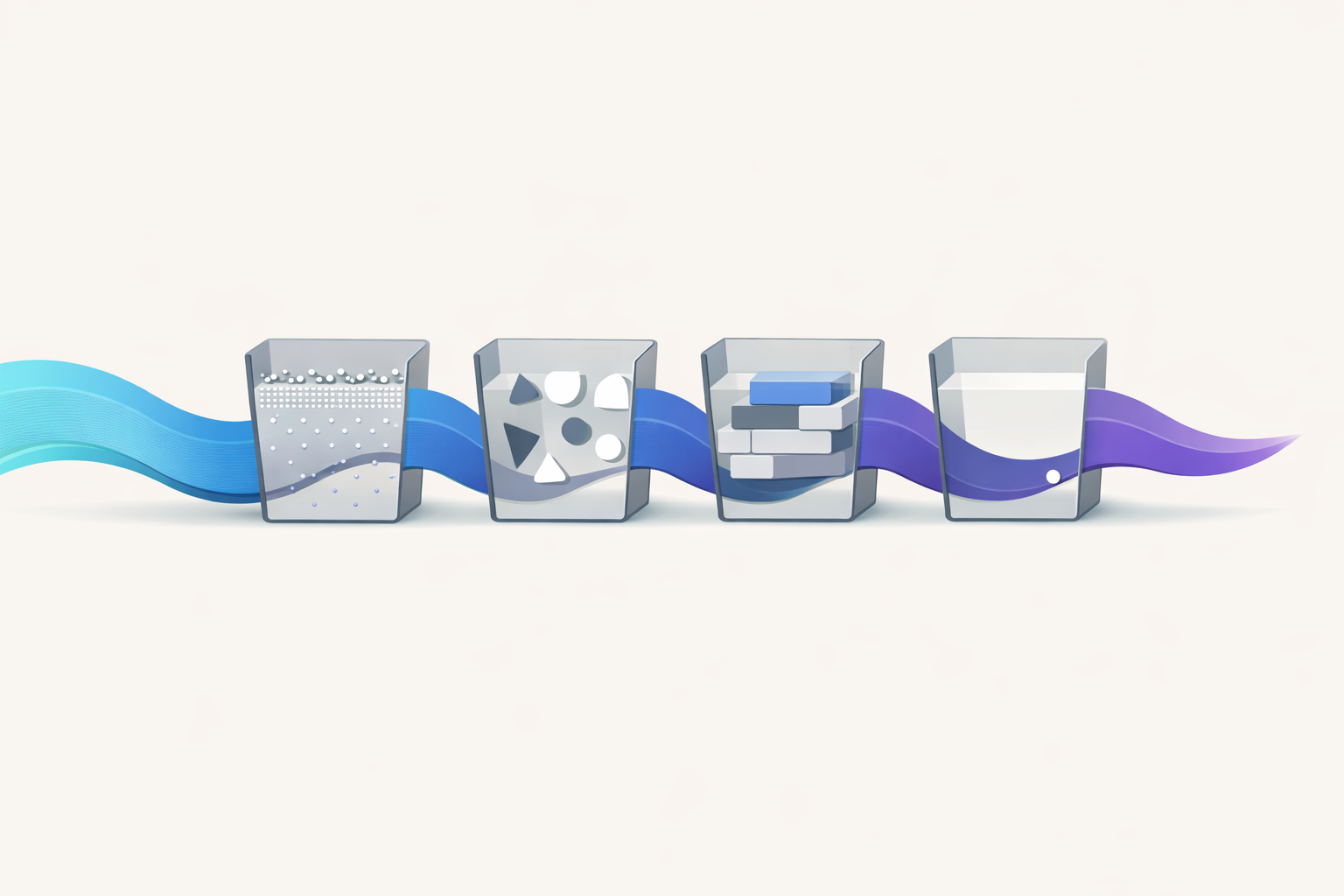
Four AI English speaking apps are open in four tabs, and every one of them promises AI, real conversations and instant feedback. Nothing on any of those pages tells you what is actually different. Here is the difference: these products correct four separate things. Some score your sounds against a model. Some hand back the sentence you produced, repaired. Some run a curriculum that decides what you meet next. Some withhold correction on purpose so you keep talking. Choose the one that fixes the thing you replay in your head, then check whether it still knows about that mistake next week.
Four different things these apps call correction
The word correction covers four jobs, and no product page separates them. One kind of tool listens to your sounds and tells you how close they were to a model. Another takes the sentence you produced and gives it back repaired, with the specific error named. A third runs a syllabus, so the lesson decides what you meet and the correction is attached to the exercise. The fourth corrects almost nothing, because its job is to keep you talking.
| What it corrects | What comes back to you in the moment | The reader it fits |
|---|---|---|
| The sound | A score or a signal on how close a sound was to a model | People keep asking you to repeat yourself |
| The sentence | What you said, rewritten, with the specific error named | Your sentences arrive understandable but wrong |
| The sequence | A lesson or a level, with the correction attached to the exercise | You had no words for the subject at all |
| The silence | Almost nothing, on purpose, so the conversation continues | You stop after four words and never restart |
Withholding correction is a design decision, not laziness. A learner stopped and fixed on every clause stops producing language and starts sitting an exam. Some products take that trade knowingly: six hundred words with two mistakes left alone, rather than sixty words with every mistake flagged.
One thing to know before you read any marketing page: a warm “great job, you could also say” is not a correction, and how to tell correction from conversation has its own ten-minute test.
How this comparison was made
Everything here about a product we do not publish comes from that company’s own website or official app-store listing, read on 28 September 2026. We have not run long-term trials of any of them. Where a vendor’s pages say nothing about a feature, this page says the pages do not describe it. That is not the same as saying the product cannot do it.
Two-Minute Speaking is the app this site publishes, which is a conflict of interest and cannot be written away. What we can do is refuse to rank: you get criteria instead of a verdict, and one section below names the reader who should buy something other than ours. This site “does not currently publish sponsored posts, paid placements or affiliate links”, and how this site is edited promises that any paid content would be “labelled clearly at the top of the article”. Vendor pages change, so check any feature that decides your money on the vendor’s own page first.
Warning
We publish one of the products discussed here. Read every sentence about Two-Minute Speaking as an interested party’s account, and test it exactly as you would test the others.
Speak and ELSA Speak do not fix the same thing
Speak’s homepage offers “real-time feedback on pronunciation and phrasing” and “custom lessons generated from your specific mistakes and learning gaps” (speak.com, checked 28 September 2026). That is sound and sentence work delivered inside a course: the curriculum picks the topic, the feedback arrives inside the exercise. It fits the reader who wants someone else to decide what to practise next.
ELSA Speak is built around the sound. Its site promises “real-time, AI-powered feedback tuned to your voice” (elsaspeak.com, checked 28 September 2026), and its store listing adds “data-driven insights showing your pace, hesitation, and grammar score” (App Store listing, checked 28 September 2026). The company also publishes its own numbers — “90% improve their English pronunciation and 95% feel more confident speaking English” — ELSA’s claim about its own users, self-reported, with no method shown on the page. If people ask you to repeat yourself, this is the category you want, and what to use instead of ELSA Speak only becomes a question once your sounds are clear.
Two-Minute Speaking, the app this site publishes, works on the sentence: one situation, one answer out loud, one named mistake. It does not work on the sound. Our own product page states that “Two-Minute Speaking does not score your pronunciation” (Two-Minute Speaking, checked 28 September 2026). So if the thing you replay is a sound, the scorers above do something we do not. It fits the reader whose English is understood but wrong in the same three ways every week.
Loora covers the widest span in the shortest sentence: “Perfect pronunciation, fix grammar, embrace rephrasing, and enhance your accent” (loora.com, checked 28 September 2026). Rephrasing is the interesting word — sentence work delivered inside conversation rather than inside a drill. Its page describes a lesson summary and nothing about bringing a specific error back later. It fits the reader who wants an open conversation with repairs along the way.
SmallTalk2Me claims the broadest feedback of the four: “detailed feedback on fluency, coherence, vocabulary, grammar, and pronunciation”, plus a free test returning “an instant CEFR score (A1–C2)” (smalltalk2.me, checked 28 September 2026). Breadth is both its offer and its risk, because a report on five dimensions at once is a lot to act on. It fits the reader who wants a measured picture of where they stand.
General AI assistants sit outside this comparison, and whether a general assistant is enough is the page for that question. Nothing above ranks one product against another. They are placed, not scored.
Which of them still knows your mistake next week
Ask this question precisely, because the vague version gets a yes from everybody. Not “does it have memory” and not “does it track progress”. This: does the same named mistake come back to me on a later day, without me asking for it.
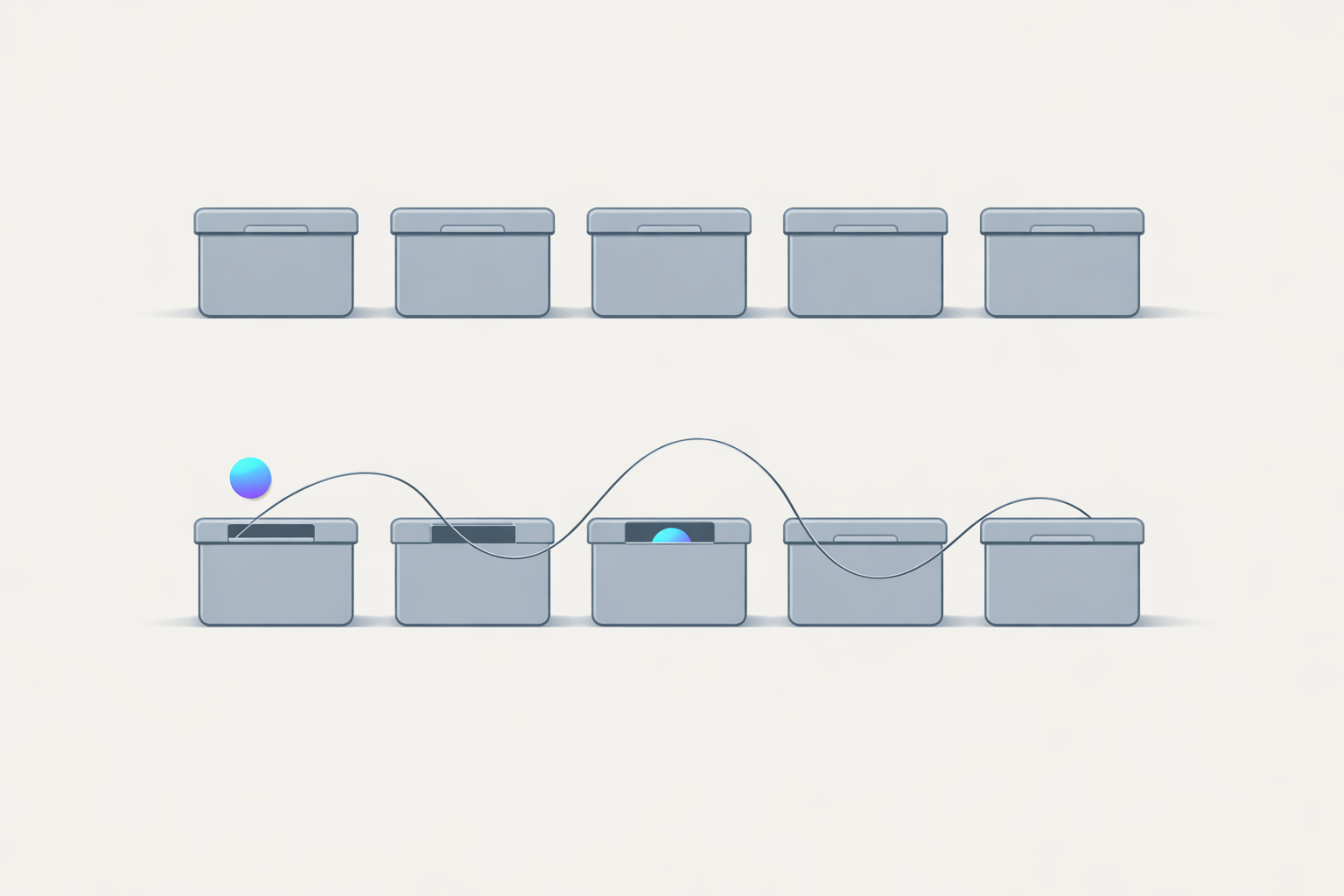
One vendor comes close on the pages read today. Speak says “Speak uses your mistakes and learning history to generate personalized review”, which is about carrying errors forward, though it does not say when a review returns or what closes an error. SmallTalk2Me says its AI “measures micro-progress” across every session and that “every gain is logged and visible” — continuous measurement rather than scheduled return. ELSA describes “visual dashboards” of improvement over time. Loora’s page describes a lesson summary. For those three, the honest statement is that their published pages do not describe a named error coming back later, not that the products cannot.
Here is what carrying one mistake costs a product to build, taken from our own documentation and offered as our design rather than as research. Two-Minute Speaking teaches one point per session and records every mistake as “a named, specific item in one of six categories: grammar, vocabulary, nativeness, pronunciation, writing, and discourse”. An item “closes only after you use it correctly in N separate sessions with spaced intervals, scheduled by FSRS, a modern spaced-repetition algorithm”, where N is three by default and adjustable from one to ten. At most three items stay open at a time, and while three are open the app introduces no new territory. Behind that sits a coverage map of English concepts levelled by CEFR, each marked not started, introduced, practising or mastered.
That is a store, a scheduler and a ceiling: three pieces of machinery the user never sees. Most tools skip them because one good session is far easier to build than a good sequence of sessions, and buyers judge the session.
The reason to care is old and unglamorous. Indiana University’s teaching centre defines spaced practice as “learning that takes place over time with rest periods between practice sessions” and reports that “researchers have found drastic declines in the performance of students who used massed practice as compared to those who spaced their practice” (Indiana University CITL). We publish no outcome data of our own, and nothing here claims our design produces better results than anyone else’s. A daily routine does more work than any design.
Tip
Before you pay, use the app on two different days. If day two mentions nothing from day one, you are buying sessions, not progress.
Where a beginner should start
At a low level the hard part is not the English you produce. It is the English you receive: the prompt, the instruction, the explanation of what went wrong. A tool that can prompt and explain in a language you already think in is usable at a level where an English-only tool simply is not.
ELSA’s site states that “Beginners have the option to start conversations in their native language”. Speak says it is “designed for learners at all levels, including complete beginners”. SmallTalk2Me’s free test hands back a CEFR score before you sign up, which at least tells you where you are standing. How to check a vendor’s language claim instead of believing it belongs in coached in a language you think in.
Our own placement works like this: “You answer a few short prompts by voice or text. From that, the app estimates your CEFR level and builds a first picture of how you speak.” The three-open-items ceiling then keeps new material away while old problems are still open. Our documentation says coaching is “in Persian or English today, with other languages generated on demand”, and we print no language count beyond that sentence.
The honest limit: anyone who cannot yet build a short sentence in English will get more from a beginners’ course than from any speaking coach, ours included. And if you read this page comfortably but freeze the second you must say something, your problem is not level — that is the gap described in understand English but cannot speak it.
Where the free versions stop
Free takes four shapes in this category: a time-boxed trial, a permanent free tier with an undefined allowance, a daily cap on minutes or turns, and a free tier that keeps the conversation and removes the correction. The shape matters more than any number, because the shape decides what happens on day nine.
On the pages read today, Speak states a “7-day free trial” before the subscription begins. ELSA’s store listing says you “start for free with a 7-day trial”, with yearly and monthly memberships after it. Loora says “You can download Loora for free” and mentions a trial period without stating its length. SmallTalk2Me states “No payment required. Instant access to all practice modes.” None of the four pages states a numeric daily cap, so no cap is quoted here. For our own plan, what a subscription costs is the only place we publish figures, and the long answers live in what free AI practice really gets you and how these apps are priced.
One line those pages do not carry: find the wall before you build a habit on top of it. A habit that dies at a paywall on day nine is worse than no habit, because the next app starts with your belief already spent.
Why the app that corrects the most is the wrong choice
More correction is not better correction. A tool that flags six things in one answer teaches none of them, because you cannot hold six repairs and still think about what you wanted to say. It also turns speaking into an examination, which is the feeling that keeps the app closed tomorrow. That is why the products withholding correction are not being careless.
The app you open beats the better-designed app you do not. Session length, friction and the time of day decide more than any feature table, and no comparison page can measure those for you. A routine that survives a bad week is the variable worth protecting.
Now the turn that costs us something. If the thing you replay in your head is a sound rather than a sentence, a dedicated pronunciation scorer does something we do not do today, because our own pronunciation scoring is documented as planned and is not shipped. Buy the scorer in that case, and use a method for drilling one sound at a time alongside it.
Our position, not a finding: this page carries no ranking because the ranking depends entirely on which of the four things you need, and nobody writing a list of apps knows that about you.
Match the app to the moment you keep replaying
Think of the last English moment you replayed in your head afterwards. Name what went wrong in it. That single answer routes you.
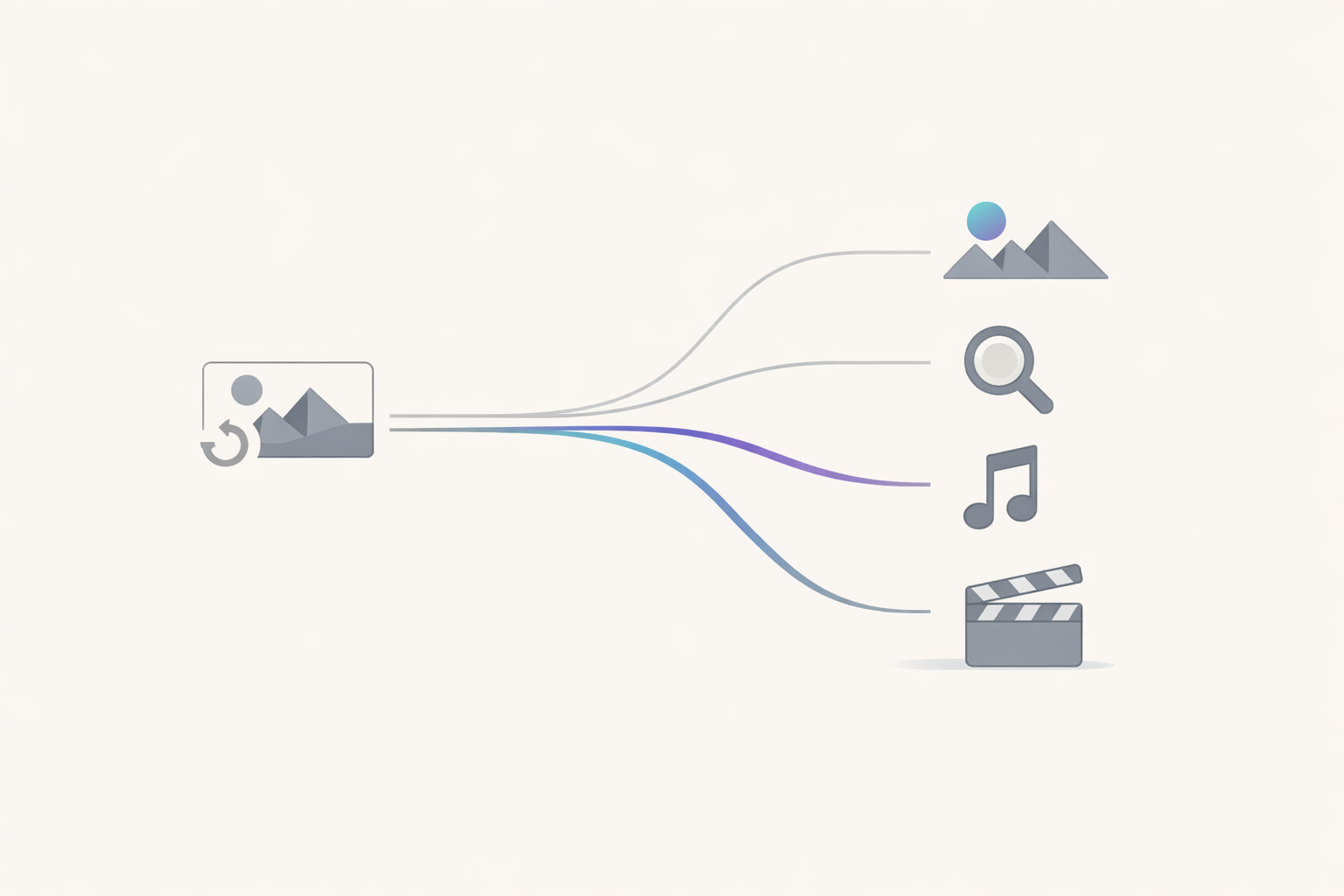
- A sound nobody understood sends you to a pronunciation scorer.
- A sentence that came out wrong sends you to a tool that names the specific error and brings it back on a later day.
- A subject you had no words for sends you to a structured curriculum that decides what you meet next.
- A silence where a sentence should have been sends you to a conversation partner that keeps you talking and corrects little.
The rule attached to it: choose for the moment you actually replay, not for the feature list. If two of the four are true, choose the one that stops you being understood over the one that makes you sound foreign.
Whatever you pick, the test on day one is whether it gives you one correction you can name out loud to someone else. The fuller version of that test takes ten minutes.
Questions people ask when comparing speaking apps
Which AI English speaking app actually corrects your mistakes? All of the named products correct something; the question is what. Speak, ELSA Speak, Loora and SmallTalk2Me all foreground sound and sentence feedback in their own wording, and none of their pages documents all four correction types at once. People search for the best AI app to practise speaking English, but there is no single answer to give: run the replay rule above and the list narrows to one category.
Should I choose ELSA Speak or Speak if I freeze when I talk? Neither company’s pages address freezing directly. Speak says it is “designed for learners at all levels, including complete beginners”, which helps when the freeze comes from not knowing what to say. ELSA works on sounds and publishes its own confidence figures, which fits a freeze that comes from expecting not to be understood.
Do any of these apps remember the mistakes I made last week? Speak’s page comes closest, saying it uses “your mistakes and learning history to generate personalized review”. SmallTalk2Me logs progress across every session. ELSA and Loora describe a dashboard and a lesson summary, and their published pages do not describe a named error returning on a later day. Test it yourself by using any app on two separate days.
Which AI speaking app works for a beginner? ELSA states that beginners can start conversations in their native language, and Speak states it is built for complete beginners. The constraint is the language of the instruction, not the language you produce. If you cannot yet build a short sentence in English, take a beginners’ course first.
Are the free AI English speaking apps really free? Partly. Speak and ELSA both describe a 7-day free trial, Loora describes a free download plus a trial of unstated length, and SmallTalk2Me says no payment is required for access to its practice modes. None of the four pages states a numeric daily cap, so check where your own wall sits before you build a routine on it.
Run the replay rule on your own last bad English moment, then open whichever app matches it and demand one correction you can name before you pay anyone. If the moment you replay is a sentence rather than a sound, try Two-Minute Speaking, the app this site publishes: one situation, one answer out loud, one mistake named and brought back on a later day. See one correction in your first session.
Leave a Reply