An AI English speaking app earns its place on your phone in about two minutes a day: one situation, one answer out loud, one mistake named. Two-Minute Speaking, the app this site publishes, is built to exactly that shape. A session puts a situation from your own life to you, you answer by voice, and it shows you the native-like version of what you said. Then it teaches one point, stores that mistake as a named item, and brings it back on later days until you stop making it. It is a coach, not a chatbot.
What happens in the two minutes after you open it
The session is a fixed loop, and the site’s own one point per session page describes it as a daily two-minute correction loop. Here is the order, start to finish.
- A situation from your own life appears: your job, your commute, the call you are dreading.
- You answer out loud in English, for roughly thirty to ninety seconds.
- You see the native-like version of what you said, next to what you actually said.
- Exactly one point is taught and explained, so you understand why it was wrong.
- That mistake is stored as a named, specific item in one of six categories: grammar, vocabulary, nativeness, pronunciation, writing and discourse (source).
Here is an illustrative correction, invented for this page and not taken from any real session. You say, “I am working here since two years,” and the native-like version answers: “I have been working here for two years.” The one point taught is not the whole sentence; it is “for” with a length of time. Nothing else is mentioned, even if something else was imperfect.
That restraint is the design, not a shortcut. A session that corrects six things teaches none of them, because you leave with a blur instead of a sentence you can say tomorrow. And a two-minute cap means the session still happens on the day you are tired, late and out of patience, which is the only day that decides whether an app survives in your life.
Tip
Put the session where an existing habit already is: the kettle, the lift, the walk to the car. If you want the habit itself rather than the app, we wrote a two-minute routine that survives a bad week.
Coach, tutor or conversation partner
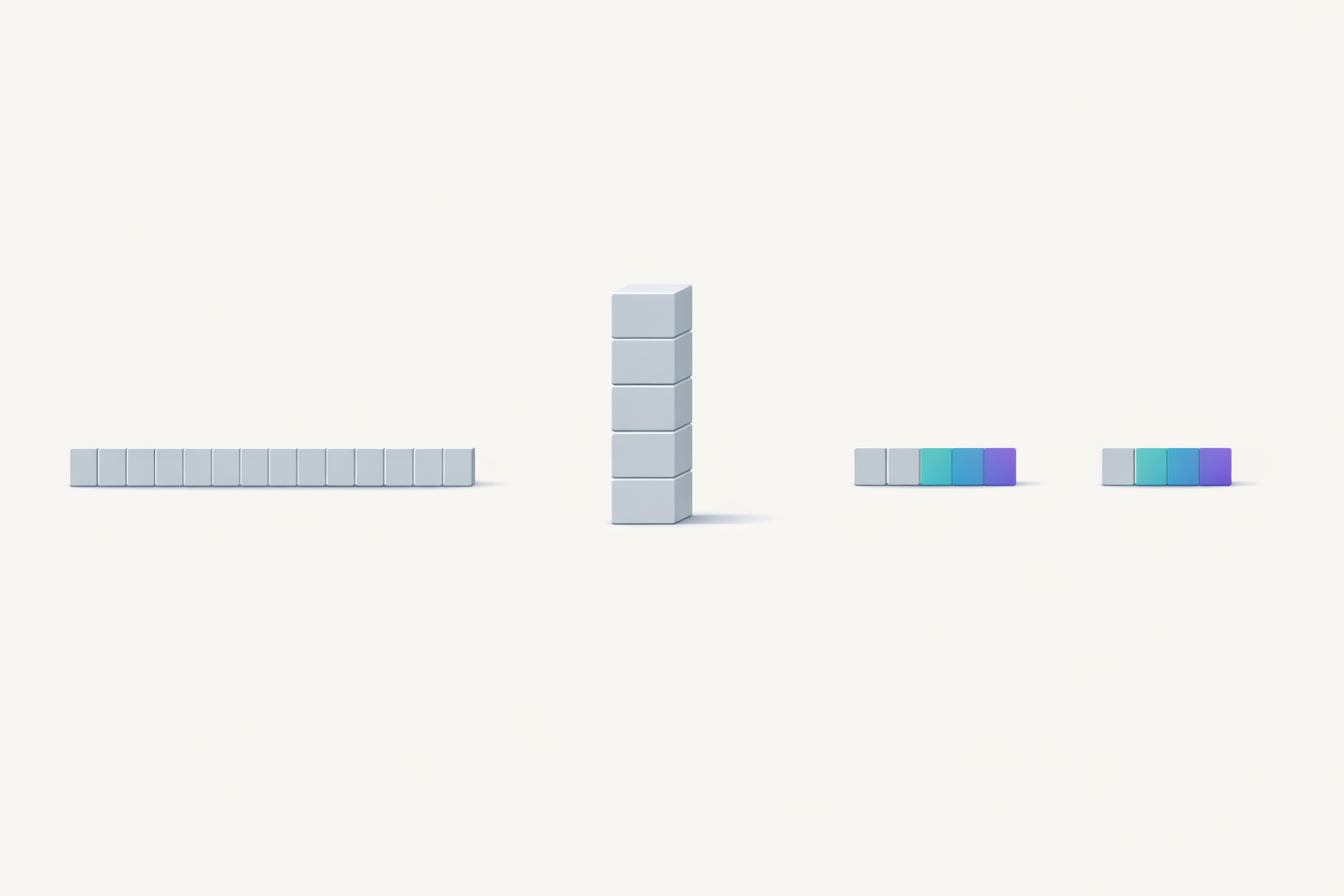
Four marketing words in this category describe three different behaviours, and readers compare them as if they were the same product. A conversation partner keeps a conversation going; its job is volume, and you get used to your own voice in English. A tutor delivers lessons and exercises in a planned order, the way a syllabus does. A coach does something narrower: it finds one named error, teaches it, and comes back to it on later days until it closes.
The blending is visible in the vendors’ own words, all quoted at the time of writing. Speak describes itself as “An expert-crafted curriculum, personalized by AI” and names its conversational feature the Speak Tutor. Loora markets itself as “Your Personal AI English Tutor” and also as a speaking partner. Promova promises “an honest feedback after every session”. TalkDrill calls itself “your 24/7 English speaking practice partner”. None of that is wrong. They are simply different jobs.
| Shape | What a session feels like | What it remembers | Who it suits |
|---|---|---|---|
| Conversation partner | An open chat, as long as you like | The current conversation | People who need talking time and confidence under pressure |
| Tutor | A lesson with exercises, in order | Where you are in the syllabus | People who want structured coverage of a level |
| Coach | A short task, then one correction | One named mistake, brought back later | People who repeat the same errors and want them closed |
Two-Minute Speaking is a coach. That is a real trade: you will speak less in one sitting than you would with a conversation partner, and you will not get a syllabus. The quick way to tell a correction from friendly encouragement is to make one deliberate mistake and see whether the reply names it; how AI English speaking practice works sets out that test in full.
Where you start if your speaking is weak
You do not have to know your own level or pick one from a menu. A placement flow asks you to answer a few short prompts by voice or text and estimates your CEFR level from that, and the scenarios you get afterwards match it. Behind it sits a coverage map: every English concept is held at a level and marked not started, introduced, practising or mastered.
The rule that matters most for a nervous speaker is the ceiling. At most three items are open at any time, so no new material arrives while old problems are still unsolved. You are never handed a list of forty things you are doing wrong. And when you are in a shared room, on a night shift, or simply not able to speak, you can answer by text for that session and the corrections still work. Speaking out loud remains the point of the exercise, though text covers the days it is not possible.
There is also a floor, and we would rather name it than sell past it. This is a speaking coach, not a beginners’ course. If you cannot yet build a short sentence in English, a structured course will serve you better first; come back when you have sentences to correct. If your problem is the opposite one, we wrote about people who read English well and still freeze. If the worry is understanding the correction itself, explanations are given in English or Persian today with other languages generated on demand, and coaching in a language you think in covers that.
Is this just ChatGPT voice mode with extra steps
A general-purpose voice assistant will talk with you for as long as you want, about anything, today. For a lot of people that is already far better than silence, and saying otherwise would be dishonest. The difference is not conversation quality. It is what survives after the conversation ends.
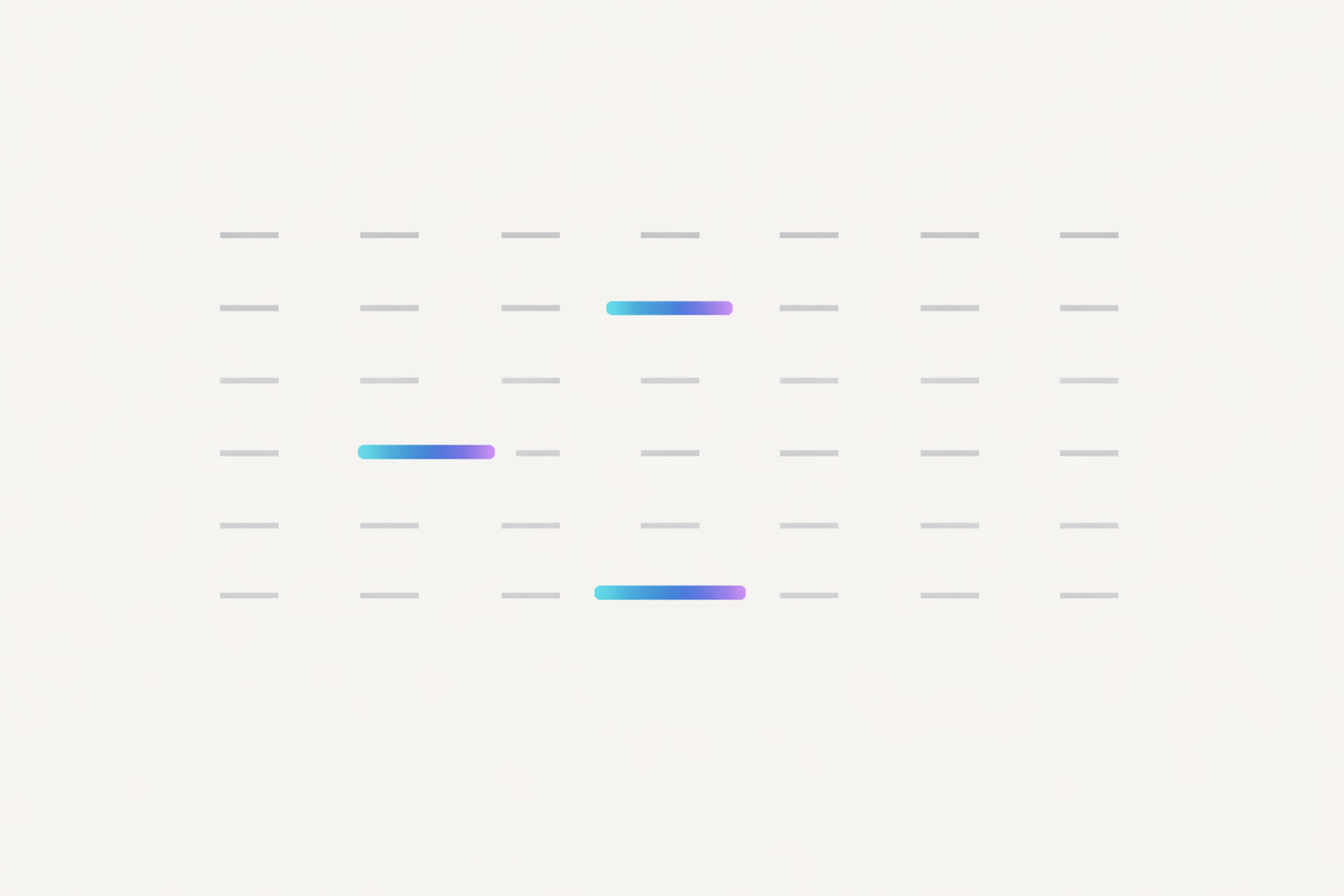
A coach keeps the mistake. In Two-Minute Speaking an item closes only after you use it correctly in several separate spaced sessions, three by default and adjustable from one to ten. The coverage map records what you have and have not mastered, and the three-open-items ceiling decides what you see next. That is why the same mistake returns on a Tuesday when you had forgotten about it. The value of correction itself is well established: oral and written corrective feedback “have been shown to be effective for learners’ L2 development” (Ha, Nguyen and Hung, 2021). For the long comparison, we look at whether a general assistant is enough separately.
Four things it does not do
Two-Minute Speaking does not score your pronunciation. Pronunciation is one of the six categories in the error ledger, so a pronunciation mistake can be named and brought back, but no pronunciation score is described as a shipped feature on this site’s pages. It does not give you an exam band or predict a test result either, and this site publishes no score-gain claim of any kind.
It is not in the App Store. Two-Minute Speaking is a progressive web app that you open in a browser and add it to your home screen; native iOS and Android apps are planned, with no date published. And it does not hold long free-flowing conversations. That is a genuine trade: if what you want is forty minutes of talking, a conversation partner is the better buy.
Warning
We publish no outcome data, no user numbers, no ratings and no accuracy figure for the speech recognition, because none of those have been measured and published here. A product page that quotes results it cannot show you has already told you something about itself.
Five checks before you install any speaking app
Run these on us and on every other tab you have open. Each one is answerable from a product’s own pages or from its first free session.
- Does it make you speak in the first two minutes, or does it start you tapping and matching? Open it and count.
- When you get something wrong, does it name the mistake, or does it only say “good job”? One correction tells you everything.
- Does that same mistake come back on a later day, or does every session start from zero?
- Could you do a session on your worst day? Anything that needs twenty quiet minutes will not survive a normal week.
- Can you see what it costs before you hand over a card, and cancel without writing to anyone?
Attach one rule to the results. If an app cannot show you a single real correction before you pay, treat it as a conversation partner, whatever the marketing page calls it. That is not an insult. It is just not the thing that closes a mistake you have carried for ten years.
What it costs and how to start today
The pricing page is the only place on this site that carries figures, and it is where you check what a subscription costs. It states that the free tier gives you three full sessions to start and then one session a week, and that your mistakes, notebook and progress map stay yours. The paid plan is billed yearly, and cancelling is self-service from the app’s settings rather than an email you have to write. For the wider money questions, see what free AI practice really gets you and how these apps are priced.
The first step costs about two minutes: open the web app, run the placement session, look at one correction. Before you speak, it is fair to know where your voice goes. The audio is transcribed so the coach can produce the correction. The transcript and the correction are kept as your learning history so items can come back, and the audio itself is not kept as a long-term recording archive. The rest of what happens to what you say, including deletion, is on the privacy page.
Questions people ask before installing
What happens in my first two minutes with an AI English speaking app? A situation from your own life is put to you, and you answer out loud in English. You are shown the native-like version of your answer and taught exactly one point from it. That mistake is stored as a named item, and the session ends.
Is an AI English speaking app any use if my speaking is weak and I do not know my level? Yes, as long as you can already build a short sentence. A placement session estimates your CEFR level from a few short prompts, so you never choose a level yourself. At most three items are open at once, so you are not buried in new material.
Is this different from practising with ChatGPT voice mode? The conversation is not the difference; what is kept afterwards is. A coach names the mistake, stores it, and schedules its return across separate spaced sessions until you have used it correctly several times. That memory, not the talking, is what closes an error you repeat.
Can I use it without speaking out loud if I am not alone? Yes. If you are somewhere you cannot talk, you can answer by text for that session and the corrections still work. Speaking out loud remains the point, so treat text as the bad-day version rather than the default.
How do I get it on my phone if it is not in the App Store? Open app.aienglishspeaking.app in your phone’s browser, then add it to your home screen: on iPhone through Share, on Android through the browser menu. It then opens like any other app. Native iOS and Android versions are planned, with no date published.
The honest test of any speaking app is one correction. Open Two-Minute Speaking and run one session now: answer one situation out loud, and see whether what comes back names the mistake you have been making for years.
Leave a Reply