
An English speaking app native language setting often changes the buttons and nothing else. On the vendor home pages we checked for this article, none said whether your mistakes would be explained in your own language. That explanation is the part that matters. A useful app gives you the reason for a correction in a language you think in, then puts you straight back into English. Two-Minute Speaking, the app this site publishes, works that way, with limits stated below. Here is how to test any app for it in two minutes, ours included.
Where your first language belongs in an English session
Your first language belongs in the explanation, never in the answer. You speak English for the whole session. Only the short reason you were wrong reaches you in your own language.
Three illustrative mistakes, invented for this page and not taken from any learner, show why an English-only correction fails:
- A German speaker says “I am here since three years” instead of “I’ve been here for three years.”
- A Spanish speaker says “I have thirty years” instead of “I’m thirty.”
- A Persian speaker says “He said me”, from be man goft, instead of “He told me.”
An English-only coach explains these in grammar terms: the present perfect for a continuing duration, be for age, tell taking a person as its object. That note is a second puzzle stacked on the first. Anyone who could read it with ease would rarely have made the mistake. If you read English well and still freeze, you know that gap well.
Which mistakes keep returning depends partly on the language you think in, which is why the mistakes one first language produces differ from another’s.
A prompt in your language is not a translation exercise. A prompt sets the situation, such as telling a colleague why you were late, and leaves every English word to you. A translation task hands you the words, so you convert sentences instead of building them.
Some learners fear that any help in their own language is cheating. A 2012 review by Hall and Cook in the journal Language Teaching reports that “a re-evaluation of teaching that relates the language being taught to the students’ own language has begun” (source). It does not show faster learning, and we found no source that does. The case rests on something simpler: a correction you cannot read teaches nothing.
Three languages hide inside one app
When an app says it supports your language, it can mean any of three layers. They look alike on a marketing page and are worth very different amounts in a session.
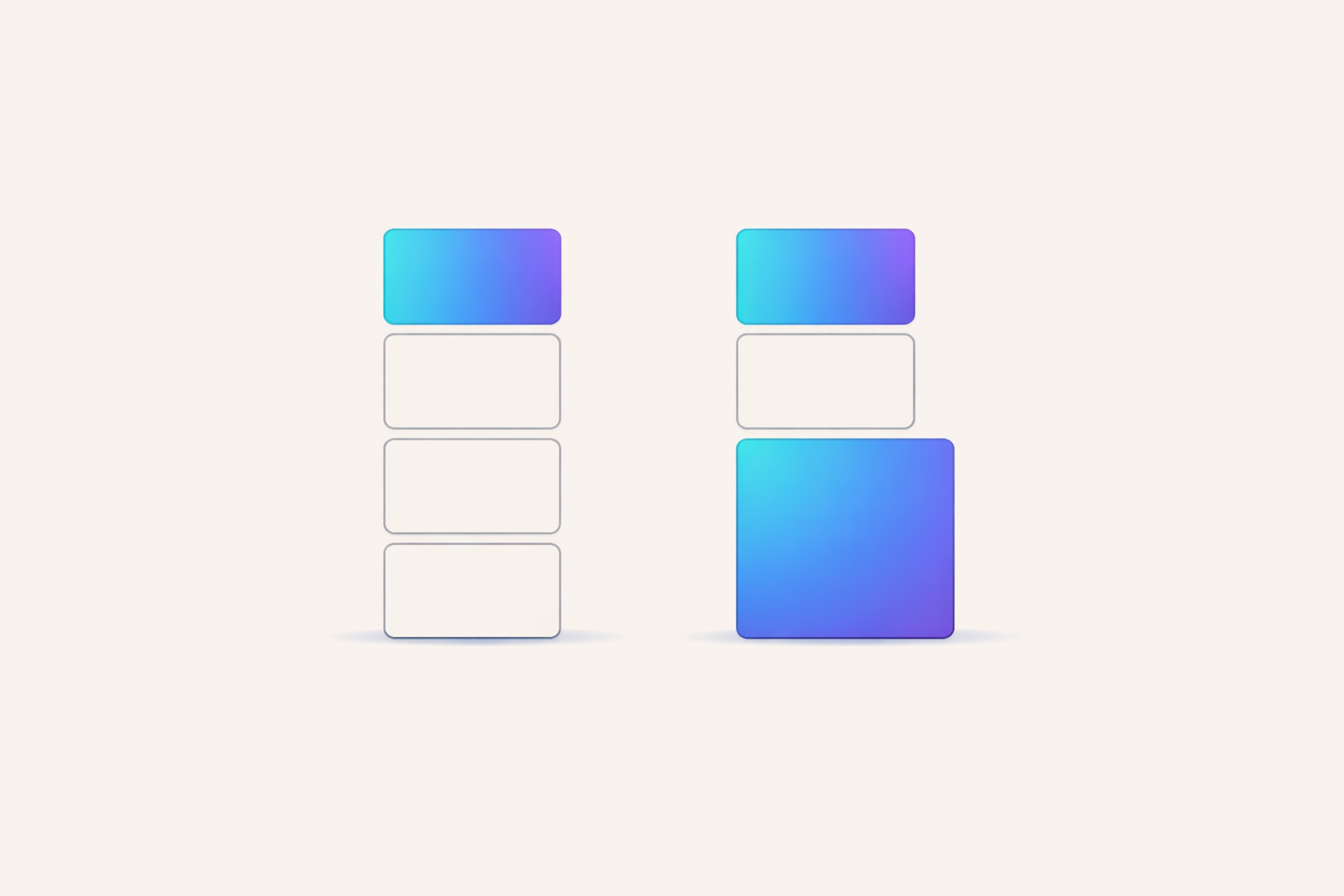
| Layer | When it is there | When it is missing | How to check in a minute |
|---|---|---|---|
| Interface | Menus and settings in your language | Menus in English | Store screenshots of the settings screen |
| Prompt | The task is set in your language | The task arrives in English only | A screenshot of a session’s first screen |
| Explanation | The reason you were wrong arrives in your language, beside the corrected English | An English grammar note | One screenshot or help-centre sentence showing a correction |
The interface layer is cheap to translate and easy to advertise. It helps you find the start button and does almost nothing for your English.
The prompt layer matters most at the start, when an English instruction eats half your thinking time. It matters less as your English grows.
The explanation layer decides whether a session teaches anything. Without it, the other two layers are decoration.
Vendors use the word “languages” for different things. At the time of writing, on 27 September 2026, englishspeaking.app says: “Select your native language from 50+ options.”
It adds: “Our AI will help you learn English based on your language background.” That describes choosing a language, not which layer the choice reaches.
On the same date, SpeakPal.ai’s headline read “Learn 30+ Languages with SpeakPal.ai”, which counts languages you can learn (source). Promova’s home page showed “12 Languages”, meaning its courses (source). Neither page stated the language your mistakes are explained in. Some apps do fill all three layers, so treat the table as a test, not an accusation.
What happens if your language is not a widely supported one
Three things can fail separately: the app hearing your spoken English, writing a fluent explanation in your language, and making that explanation right. An app can do one of them well and another badly.
Accent and first language are different variables. An app can list your language for coaching and still mishear your English, because the recogniser judges your sounds, not your settings. The sounds a first language makes hard are where that happens. Our guide to how AI English speaking practice works says speech recognition hears you “worse than it hears a news presenter.”
Public evidence comes from OpenAI’s Whisper speech-recognition model, trained on 680,000 hours of multilingual and multitask supervision (source). Its model card says: “Our models perform unevenly across languages, and we observe lower accuracy on low-resource and/or low-discoverability languages or languages where we have less training data” (source). It also reports “disparate performance on different accents and dialects.” Whisper illustrates the pattern; we make no claim about which model any app uses.
For explanation quality, we found no public measurement by language. A language with less text online may get a weaker explanation. That is a mechanism, not a measured result.
Tip
Test the explanation layer in a free tier or trial before paying. Make one mistake on purpose, such as “I am here since three years”, and read what comes back. If the reason arrives in your language and makes sense to you, that layer works for you.
The same caution covers Two-Minute Speaking. Explanations beyond the two languages it coaches in today are generated on demand, and we publish no evidence that their quality is equal across languages.
Five questions to test a language claim
Run these on any app’s own pages before you pay, including ours.
- Menus or explanations? When an app says it supports your language, find one screenshot or help-centre sentence that shows a correction, not a settings screen.
- Back into English? After the correction, the session should continue in English. Time spent not speaking English is not speaking practice.
- Changeable later? Check that you can change the language after signing up and switch it off when you no longer need it.
- Memory? Language support is worth little if the app forgets your specific mistakes and every session starts from nothing.
- Free to check? If you cannot verify the first four without paying, treat every language claim on the marketing page as unverified.
The rule is short. If you cannot see the explanation layer before you pay, assume the app only translates its buttons.
Warning
A language count is not evidence of explanations in your language. On the pages we checked, counts described languages to learn, courses or a list to choose from, and none said which layer they covered.
How Two-Minute Speaking uses your language
Two-Minute Speaking is this site’s own app, so hold it to the same five questions. You speak English throughout, the app teaches one point per session, and the reason behind that point comes in your coaching language. Its how-it-works page explains why: “A learner who is told five things remembers none of them; a learner who is told one thing, and then meets it again two days later, keeps it.”
Each mistake becomes a named item in the error ledger, in one of six categories: grammar, vocabulary, nativeness, pronunciation, writing and discourse. An item closes after N correct uses in separate spaced sessions, and “N is 3 by default and you can set it anywhere from 1 to 10.”
Note
Our limits sit beside our claims. The how-it-works page says: “Coaching is in Persian or English today, with other languages generated on demand.” That describes how the app is built today, not who it is for. We publish no evidence that generated explanations are equally good in every language, and no learning-outcome data. Our public pages do not yet explain how to change or switch off the coaching language, so run question three on us in your first session.
When practising in English only is the better choice
Switch the support off if you already read English explanations comfortably and use your own language mainly for reassurance. Switch it off, too, if you are preparing for a job interview or a client call where nobody will translate for you.
The risk is specific. Reading the reason in your own language can leave you able to explain a rule and still unable to produce the sentence, because explaining and producing are different skills.
Switching off too early has a cost as well. First-language explanation is best at closing a mistake you have repeated for years without knowing why. Drop it before that happens and the mistake stays.
Use a signal, not a level label. When you skip the explanation because you already knew what it would say, turn it off. Where the app allows it, switch back when a new mistake keeps returning. Neither setting is more serious than the other.
Questions people ask about language support
Does an AI English speaking app work if English is not my first language at all? Yes, people learning English are the audience these apps serve. The real question is which language your corrections arrive in, so check that before paying. For the basics, see what an AI English speaking app does.
What is the difference between an app with menus in my language and one that explains mistakes in my language? Translated menus help you find buttons. Explanations in your language tell you why your English was wrong, which is what changes your next attempt.
Will being coached in my own language slow my English down? Not if your language stays in the explanation and your speaking stays in English. A 2012 review by Hall and Cook describes own-language teaching being re-evaluated, but no source we found measures its effect on speed.
What if my first language is not one of the widely supported ones? OpenAI’s Whisper model card reports uneven speech-recognition accuracy across languages and accents. We found no public measurement of explanation quality by language, so make one deliberate mistake in a free session and judge the result.
Can I change the coaching language later or turn it off? It depends on the app, and the vendor pages we checked did not say. Ask before you pay and treat silence as a no. For Two-Minute Speaking, check it in your first session or read our questions about getting started.
The fastest way to settle this is to make one mistake on purpose and read what comes back. One session with Two-Minute Speaking takes two minutes and costs nothing to start, which is enough to see whether the explanation arrives in a language you actually think in. When you are ready, try one session in your own language.
Leave a Reply